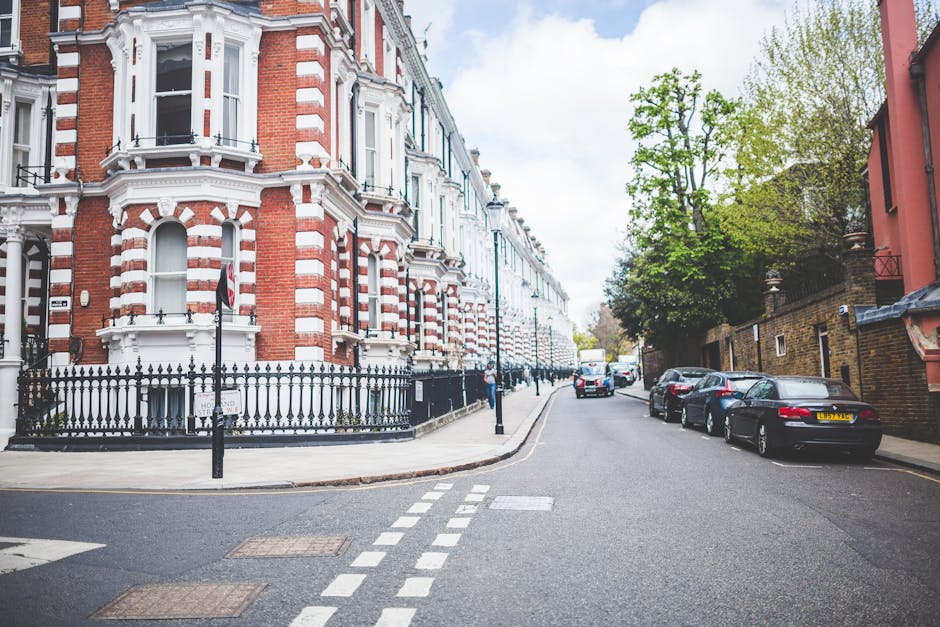
Bayswater Road Man and Van Guide for Narrow Street Moves
If you are planning a move on or around Bayswater Road, you already know the awkward part is rarely the packing. It is the street. Tight corners, parked cars, cyclists slipping through gaps, basement steps, and that one sofa that suddenly looks twice as wide as it did in the flat. This Bayswater Road man and van guide for narrow street moves is designed to help you handle that reality without drama.
The goal here is simple: help you move safely, efficiently, and with fewer surprises. Narrow street moves reward good planning. They punish guesswork. So below you will find a practical, local-first guide covering access checks, vehicle choice, loading strategy, timing, common mistakes, and the kind of details that save time when the van is already parked and the clock is ticking.
Why Bayswater Road man and van guide for narrow street moves Matters
Narrow streets change the whole moving equation. On a wide road, a moving van can often stop, load, and leave with a bit of breathing room. On a tighter street, every movement matters. One badly parked vehicle can block access, slow your crew, and create knock-on delays for neighbours. Not ideal, to put it mildly.
Bayswater Road sits in an area where access can be tricky even when the actual distance is short. There may be busy traffic, limited stopping space, one-way approaches, or building entrances tucked behind steps and railings. That means the moving plan needs to be built around the street, not just the contents of the property.
Truth be told, people often underestimate how much a narrow street affects a removal. They think, "It is only a small move." Then the van arrives, the pavement is busy, and the chest of drawers no longer wants to fit through the doorway at the angle you had in mind. A proper man and van approach helps because it is flexible. It can be scaled to the property, the route, and the real access conditions on the day.
If you are comparing service types, it can help to look at a dedicated man and van service alongside fuller removal services. For compact or access-sensitive jobs, that lighter, more responsive setup is often the sensible starting point.
How Bayswater Road man and van guide for narrow street moves Works
The basic process is straightforward, although the devil is in the details. A good narrow-street move starts before the van reaches the kerb. You assess the property, confirm parking or stopping options, estimate the load size, and decide whether the move needs a small van, a medium removal van, or something larger.
In practical terms, the job is usually split into three phases:
- Pre-move access review - checking the entrance, stairwell, kerb space, loading distance, and any awkward corners.
- Loading and route planning - making sure items are carried in the right order and placed in the van so they can be unloaded efficiently.
- Delivery and placement - getting everything into the new space without clogging a narrow road or forcing repeated shuttles.
That sounds simple, but it works best when everybody knows the site conditions in advance. If you are moving out of a flat on a narrow Bayswater street, a mover may ask questions about lift access, building restrictions, item sizes, and whether the van can sit close enough for quick loading. Those questions are not admin for the sake of it. They are what keeps the move from turning into a slow, frustrating shuffle.
For households, a service such as home moves or house removals may be more suitable if the move is larger or if there are multiple rooms of furniture. For lighter, tighter jobs, a van-based approach remains the simpler option.
Key Benefits and Practical Advantages
A narrow street move can be done well. When it is, the benefits are very noticeable.
- Less wasted time because the team is not improvising at the kerb.
- Lower handling risk since items are carried fewer times and through fewer awkward squeezes.
- Better vehicle fit with a van that suits the road and the amount of furniture.
- Cleaner coordination between parking, lifting, and loading, especially where traffic is tight.
- Less disruption for neighbours when the stop is brief and well managed.
There is also a calmness benefit people do not always mention. When the van choice, timing, and access plan are right, the move feels controlled. You are not watching the day unravel while a sofa wedges itself against a doorway and someone mutters, "It looked smaller in the hallway." We have all seen that kind of moment. Not fun.
Another advantage is flexibility. A man with a van setup can often adapt to partial loads, single-item collections, or last-minute access quirks better than a rigid, oversized vehicle plan. If the move only needs a medium load and careful handling, that flexibility is gold.
For one-off furniture items, a page like furniture pick up can also be relevant, especially if you are moving just a few bulky pieces rather than a full property.
Who This Is For and When It Makes Sense
This kind of move is not just for people with tiny flats. It suits anyone dealing with restricted access, tight kerbside space, or a street that does not really welcome large vehicles. That could include tenants, homeowners, landlords, and small businesses. Sometimes a move is local, but the route is messy enough that a smaller, smarter setup makes the most sense.
It is especially useful if you are:
- moving into or out of a flat on a narrow street;
- dealing with steps, intercoms, or limited lift access;
- moving a few large items rather than a whole house;
- working to a short access window;
- trying to avoid a long carry from a distant parking spot;
- relocating a small office or studio with minimal downtime.
For business relocations, narrow streets are their own little headache. A compact commercial load may move better through a van-based service than a larger lorry that simply cannot settle neatly outside the building. In those cases, commercial moves or office removals can be worth exploring if your load is more than just a desk and a chair.
If you are only halfway sure which service level you need, that is normal. A quick quote conversation usually clears things up fast. Better that than booking the wrong vehicle and spending the afternoon playing Tetris with a wardrobe.
Step-by-Step Guidance
Here is a practical way to organise a narrow street move so the day stays under control.
1. Measure access, not just furniture
Measure the big items, yes. But also measure door widths, stair turns, lift dimensions, and the approximate distance from the front door to the parking point. On a narrow street, that last one matters a lot. Ten extra metres does not sound like much until you are carrying a fridge and turning around parked cars.
2. Check where the van can actually stop
Do not assume the driver can pull directly outside. Look at the road layout, any double yellow lines, loading restrictions, and whether there is room to pause safely without causing a blockage. If stopping close to the property is difficult, factor in extra carrying time and extra hands if needed.
3. Sort items by shape and weight
Put awkward items, fragile items, and heavy items in separate groups. Long mirrors, table tops, and mattresses tend to behave differently from boxy furniture. A good loading order usually places sturdy boxes first, then larger furniture, then fragile items protected near the top or between soft pieces.
4. Clear the route before moving day
Inside the property, remove loose rugs, open tricky doors, and clear hallways where possible. Narrow streets often mean more careful carrying, and the last thing you need is a cluttered landing or a cluttered pavement. This is one of those small jobs that saves surprising time.
5. Choose the right van size
People sometimes think smaller is always better for narrow roads. Not necessarily. A van that is too small can mean multiple trips, more handling, and more time on the street. A van that is just right may actually be the smoother choice. The aim is balance, not minimising size for the sake of it.
6. Time the move sensibly
If possible, aim for a quieter window. Early morning can work well for some streets, though not every building suits it. Midday traffic, school runs, and delivery surges can all make a short road feel even tighter. Little windows matter here.
7. Keep essentials separate
Pack a small bag with chargers, keys, documents, medication, and anything you need before the first box is opened. This sounds basic, but in a narrow-street move it is often the difference between a smooth arrival and frantic rummaging in the van while rain starts tapping the roof.
Expert Tips for Better Results
Here are the habits that tend to make the biggest difference in the real world.
- Share clear access notes early. Tell the mover about steps, tight corners, low railings, resident permits, and anything that affects stopping space.
- Photograph awkward areas. A quick picture of the entrance or street can explain more than a paragraph.
- Protect corners and door frames. Narrow routes tend to increase contact points. Blankets, corner guards, and shrink wrap are worth it.
- Keep the load sequence simple. The fewer times an item changes hands, the better.
- Leave a little margin in the schedule. Traffic, neighbours, and building access rarely behave perfectly on the day.
One more thing: if you are moving something valuable or fragile, ask how it will be secured in transit. Not in a dramatic way, just plainly. It is a fair question. Any decent mover should be comfortable answering it. A van moving through a busy London street can take some bumps, and you want to know your cabinet, artwork, or computer kit is not sliding around like a loose drawer full of cutlery.
For moves where packing support would ease the pressure, packing and unpacking services can be a practical add-on. Sometimes the best move is the one where somebody else handles the tape, the bubble wrap, and the endless box labels. Let's face it, nobody loves that part.
Common Mistakes to Avoid
Narrow street moves fail for predictable reasons. The good news is they are avoidable.
- Booking the wrong vehicle size. Too large and the van cannot stop safely; too small and the job stretches out.
- Ignoring carrying distance. A road that looks fine on paper can become a long walk if the van cannot park near the door.
- Forgetting building access rules. Some flats have lift bookings, concierge requirements, or time limits that need planning.
- Leaving loose items for the day. Last-minute packing always slows everything down. Always.
- Not checking insurance and safety arrangements. You want to know what is covered and how lifting is handled.
There is also a softer mistake: assuming the move is too small to plan properly. Even a one-bedroom flat can turn into a messy, expensive day if access is poor. A little prep usually beats a lot of panic. Every time.
Tools, Resources and Recommendations
You do not need a warehouse of gear to make a narrow street move work. A sensible kit is usually enough.
| Tool or resource | Why it helps | Best use case |
|---|---|---|
| Furniture blankets | Protects corners and surfaces during tight carries | Wood furniture, appliances, hallways with narrow turns |
| Strong tape and labels | Keeps boxes organised and easier to unload | Mixed household or office loads |
| Trolley or sack truck | Reduces carrying strain for heavier items | Boxes, white goods, short flat surfaces |
| Inventory list | Helps check nothing has been left behind | Full moves and partial moves alike |
| Access photos | Shows the reality of the street and entrance | Tricky roads, steps, and unusual entrances |
For vehicle-led jobs, you may also come across terms like moving van, removal van, or man with van. In plain English, these are different ways of describing a van-based moving service. What matters most is not the label. It is whether the vehicle and crew suit your access conditions and the size of your move.
If you are comparing providers, it is worth reviewing general service information such as pricing and quotes and insurance and safety. Those pages help set expectations before you commit, which is exactly what you want with a narrow street job.
Law, Compliance, Standards, or Best Practice
For moves like this, the legal and practical side matters even if the job feels small. In London, loading and stopping can be shaped by local parking restrictions, resident bays, yellow lines, and building rules. You should always make sure the vehicle can stop legally and safely, even if that means a slightly longer carry.
There are also basic duty-of-care expectations around safe lifting, damage prevention, and sensible handling. A good mover should plan the job so people are not rushing blindly through tight spaces. That includes protecting floors where needed, watching door frames, and avoiding unsafe lifting techniques. Nothing flashy. Just sound practice.
If you are hiring help, it is reasonable to ask about terms, booking conditions, payment security, and what happens if access turns out to be different from expected. The sensible pages to review are terms and conditions and payment and security. They do not make the move more exciting, granted, but they do reduce nasty surprises.
For responsible businesses, sustainability can also matter. If packaging or old furniture needs to be handled carefully, a provider with a recycling-minded approach is often a better fit. You can look at recycling and sustainability if that is a priority for your move.
Options, Methods, or Comparison Table
There is no single best setup for every Bayswater Road move. The right option depends on the volume, access, and how much lifting you want to avoid.
| Option | Best for | Pros | Watch out for |
|---|---|---|---|
| Man and van | Small to medium loads with limited access | Flexible, efficient, usually easier on narrow streets | May need multiple trips if the load is bigger than expected |
| Full removals service | Larger homes, more furniture, fuller schedules | More handling support and coordination | Can be overkill for a simple flat move |
| Single-item collection | One bulky item or a few pieces | Simple and cost-aware | Not ideal if you end up with more items than planned |
| Office or commercial van move | Small office, studio, or retail stock | Good for tight turnaround times | Needs clear inventory and access notes |
If your load is mostly household furniture, house movers or house removalists may be a more appropriate fit. If it is mainly a compact load that needs careful handling on a tight road, a van-based move often wins on simplicity.
Case Study or Real-World Example
Imagine a second-floor flat off Bayswater Road. The road is busy by late morning, parking is limited, and the staircase inside the building has a tight turn halfway up. The move includes a sofa, a bed base, two wardrobes, six boxes, and a couple of lamps. Nothing huge, but enough to cause headaches if handled badly.
The smartest approach is not to send in the biggest vehicle available. It is to use a van that can stop close enough for a short carry, arrive at a quieter time, and load in a controlled order. The sofa goes in after the bed base, not before. The lamps are packed separately, not wedged under a wardrobe because somebody got optimistic. The mover checks the route from door to van before lifting the heaviest item. Simple stuff. Very effective.
In a real move like this, the difference between chaos and calm usually comes down to a few small choices: measuring the staircase properly, allowing a few extra minutes for the street, and not assuming the first parking spot will magically appear. The day still has a human feel to it, of course. Someone will always ask where the kettle is. But the move itself feels manageable.
That is the real point of a good narrow-street plan. Not perfection. Just fewer moments where everyone stands still, staring at a sofa and wondering which dimension was lying.
Practical Checklist
Use this before moving day. It is deliberately simple.
- Measure the largest items and any awkward stair turns.
- Check whether the van can stop close to the property.
- Confirm building access rules, lift bookings, or time windows.
- Sort items into boxes, furniture, fragile, and essentials.
- Label boxes clearly by room.
- Pack a separate essentials bag for the first 24 hours.
- Tell the mover about steps, narrow entrances, and road restrictions.
- Keep a clear route from the door to the van.
- Review pricing, terms, and safety information in advance.
- Allow a little buffer time, because narrow streets rarely run to clockwork.
If you want help with the practical side of booking, contact us for the next step, or review about us to understand the service approach a bit better. No need to overthink it. Start with the access details and build from there.
Conclusion
A narrow-street move on Bayswater Road is not difficult because it is impossible. It is difficult because the street demands respect. Once you plan for access, choose the right vehicle, and keep the loading process tidy, the whole thing becomes far more manageable than people expect.
The best moves are rarely the most dramatic ones. They are the ones where the van arrives, everyone knows the plan, and the job quietly gets done. That is what this kind of move should feel like. Calm, measured, and just a bit relieved when the final box comes out.
Get a free quote today and see how much you can save.
And if you are still weighing things up, that is completely fair. A good move starts with good information, and a bit of that goes a long way on a narrow London street.
Frequently Asked Questions
What is the best vehicle for a narrow street move on Bayswater Road?
Usually, the best vehicle is the one that can stop safely and load efficiently without causing blockage. For many compact or medium moves, a van-based service is the most practical choice because it balances access and capacity.
Should I book a man and van or a full removal team?
If you have a smaller load, limited access, or only a few bulky items, a man and van setup is often enough. If you are moving a fuller household, need more handling support, or have multiple rooms of furniture, a larger removals service may be better.
How do I know if the street is too narrow for my move?
Check whether the van can stop legally and safely, and think about how far items would need to be carried. If parking is very limited, the entrance is awkward, or larger vehicles cannot turn or pause sensibly, the move should be planned around those restrictions from the start.
Do I need to measure my furniture before booking?
Yes, especially for large items like wardrobes, sofas, mattresses, and appliances. A rough estimate can work for small boxes, but the bigger pieces are what usually cause trouble in narrow hallways and tight stairwells.
What should I tell the mover before the day?
Share the property type, number of floors, access route, parking limits, and any awkward features such as narrow stairs, low ceilings, or heavy items. Photos are often useful too. The more honest and specific you are, the smoother the day tends to go.
Can a man and van handle a flat move with stairs?
Yes, many can. The key question is whether the stair layout, item sizes, and carrying distance are realistic for the crew and vehicle booked. Tight stairs can be managed, but only if they are planned for properly.
How can I make loading faster on a narrow street?
Keep boxes labelled, clear the route in advance, and group items by weight and shape. Also, have the van stop as close as safely possible. Those small details reduce wasted steps and cut down the back-and-forth.
Is it better to move early in the day?
Often, yes, because the road may be quieter and parking slightly easier. That said, the best timing depends on the building, nearby traffic patterns, and any access restrictions. Early can help, but it is not a magic fix.
What if the van cannot park directly outside?
That is common on narrow streets. The move can still work well, but you should allow extra time for carrying items from the nearest safe stopping point. In some cases, an extra pair of hands is worth it.
Do I need insurance for a small local move?
You should always understand what insurance and safety arrangements are in place, even for a small move. Accidents are uncommon, but careful handling and clear cover are part of sensible booking. It is one of those boring topics that becomes very interesting if something goes wrong.
What is the biggest mistake people make with narrow street moves?
The biggest mistake is underestimating the access problem. People focus on the boxes, not the road. Once the van arrives and the street is tighter than expected, everything gets harder. A few extra minutes of planning usually prevents that.
How do I get started if I am not sure what service I need?
Start by gathering the basics: what is moving, where it is going, how much space the street offers, and whether there are stairs or lift restrictions. Then compare a van-based move with a fuller removals option. If the job is still unclear, a quote conversation is usually the quickest way to narrow it down.